You know how your fridge keeps food cold? Well, an air source heat pump is basically a fridge that works backwards. Instead of making things cold, it makes your house warm. Pretty clever, right?
Let me explain this properly, because understanding how air source heat pumps work isn't as complicated as it sounds. I promise.
What Actually Is an Air Source Heat Pump?
An air source heat pump is a machine that heats your home. But here's the cool part – it doesn't create heat like a normal boiler does. Instead, it steals heat from outside and brings it inside your house.
I know what you're thinking: "Wait, how can you steal heat from outside when it's freezing cold?" Great question!
Here's the thing – even when it's really cold outside, there's still some heat in the air. Heat pumps are clever enough to grab that heat and bring it indoors.
Think of it like this: imagine you're trying to warm your hands on a winter day. Even though the air feels freezing, if you cup your hands together, you can feel a tiny bit of warmth, right? Heat pumps do something similar, but way more powerful.
How Does an Air Source Heat Pump Actually Work?
Okay, let's break this down into really simple steps.
Step 1: The Outside Bit
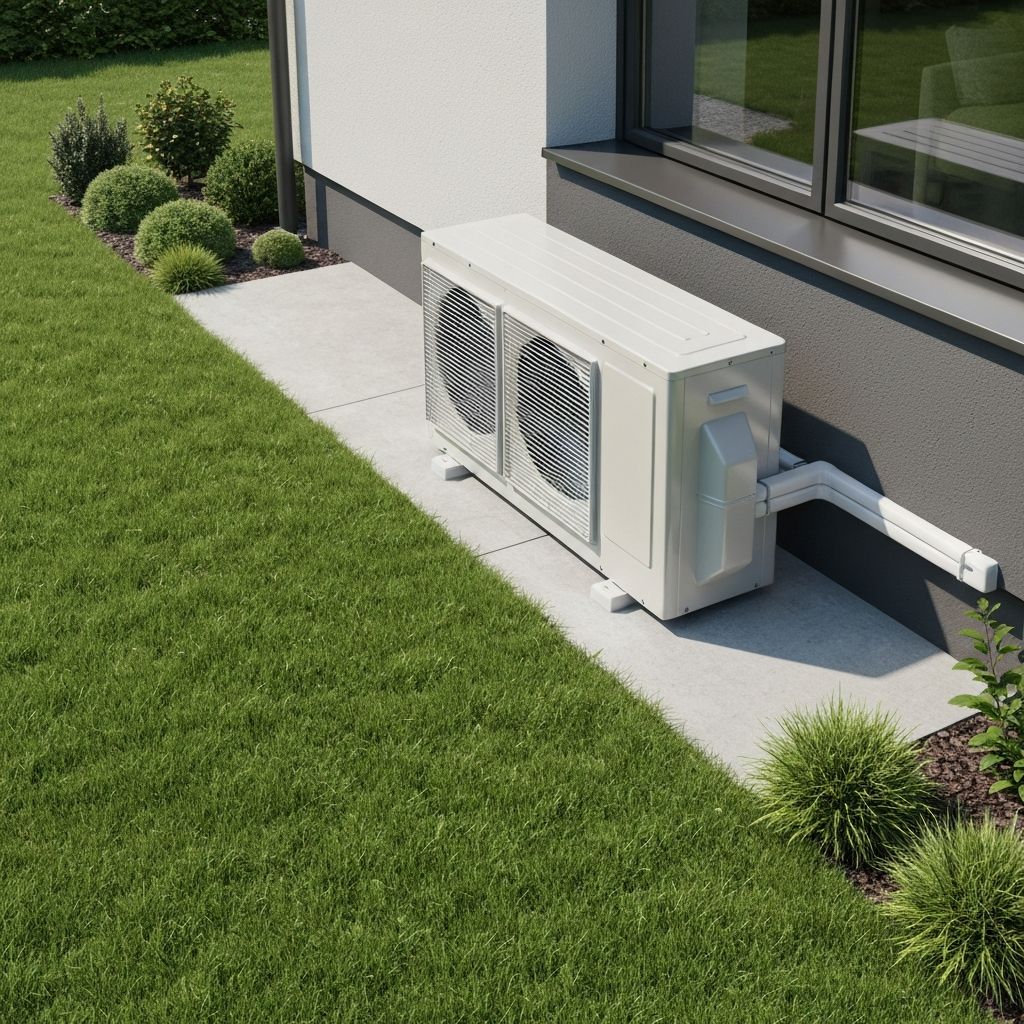
There's a big metal box that sits outside your house. This is called an air source heat pump (because it takes heat from the air). Inside this box, there's a special liquid that's really good at absorbing heat.
When cold air blows past this liquid, the liquid soaks up any heat that's in the air – even if the air feels freezing to you and me.
Step 2: The Squeezing Part
Now here's where it gets interesting. The air source heat pump has a compressor inside it. This compressor squeezes the liquid really, really hard.
Why? Because when you squeeze things, they get hot. Try this: rub your hands together really fast. They get warm, right? That's kind of what the compressor does to the liquid.
Step 3: Sending Heat Inside
Once the liquid is hot, the air source heat pump sends it into your house. The hot liquid flows through pipes in your radiators or underfloor heating, warming up your rooms.
Step 4: Going Round Again
After the liquid has given away all its heat, it goes back outside to start the whole process again. Round and round it goes, keeping your house toasty warm.
The Magic Bit:
The whole thing runs on electricity, kind of like how your TV or computer runs on electricity. But here's the magic – for every £1 of electricity you use, you get about £3 worth of heat. That's three times more efficient than a normal boiler!
Why Is Everyone Talking About Air Source Heat Pumps Now?
You might have noticed people talking about air source heat pumps a lot lately. There are a few reasons for this.
🌍 Reason 1: They're Better for the Planet
Normal boilers burn gas or oil to make heat. This creates pollution that's not great for the environment. Heat pumps just move heat around using electricity, which can come from clean sources like wind or solar power.
💷 Reason 2: The Government Is Giving Away Money
This is a big one. Right now, the UK government is giving people £7,500 to help pay for an air source heat pump. That's a lot of money! It's called the Boiler Upgrade Scheme.
Why are they doing this? Because the government wants more homes to use air source heat pumps instead of gas boilers. It's part of their plan to reduce pollution. Not everyone can get this money though. You need to own your home and be replacing an old gas, oil, or LPG boiler.
⚡ Reason 3: Energy Bills
Gas prices went really high recently, making it expensive to heat homes with gas boilers. Heat pumps use electricity, and because they're so efficient, they can work out cheaper to run. Though it depends on your home and how you use them.
Are There Different Types of Air Source Heat Pumps?
Yes! The most common type for homes is the air source heat pump. This is the one I've been describing – the one with the metal box outside that takes heat from the air.
✓ Air Source Heat Pump
Gets heat from the air. Simpler, cheaper to install, and most people choose this one.
🏗️ Ground Source Heat Pump
Gets heat from the ground. Works great, but you need to dig up your garden, which makes it more expensive.
Most people go for air source heat pumps because they're simpler and cheaper to install.
What's Good About Air Source Heat Pumps?
Let me give you the main benefits in plain English:
They're Super Efficient
Remember how I said you get £3 of heat for every £1 of electricity? That's about three times better than a normal boiler. Gas boilers can only give you about £1 of heat for every £1 of gas you burn.
They Last a Long Time
A good air source heat pump can last 20-25 years if you look after it properly. That's longer than most gas boilers, which usually last about 10-15 years.
They Work as Air Conditioning Too
Many air source heat pumps can run backwards in summer, cooling your house down instead of heating it up. So it's like getting air conditioning included.
Lower Carbon Footprint
If you care about reducing pollution (and let's be honest, we all should), air source heat pumps are much cleaner than burning gas or oil.
That £7,500 Grant
I mentioned this already, but it's worth repeating. If you qualify for the government grant, you're getting £7,500 knocked off the price. That's massive!
What About the Downsides?
I should be honest with you – air source heat pumps aren't perfect for everyone.
They cost more to install than a new boiler (though the grant helps a lot with this)
They work best in well-insulated homes. If your house is drafty, you might not get the full benefit
On really cold days, they might need a backup heater to help out
The outdoor unit makes noise – like a quiet fan or fridge humming. Most people don't mind it, but it's something to think about
Should You Get an Air Source Heat Pump?
That depends on your situation. Here are some quick questions to think about:
Do you own your home?
Do you have a gas, oil, or LPG boiler now?
Is your home reasonably well-insulated?
Do you have space outside for the outdoor unit?
If you answered yes to most of these, an air source heat pump might be a great option for you. Especially with that £7,500 grant available.
The best way to find out is to check your eligibility for the grant and get some quotes from installers. They can look at your specific home and tell you if an air source heat pump makes sense.
Want to Check If You Qualify for the £7,500 Grant?
Look, I know this is a lot of information to take in. Heat pumps are fascinating when you understand them, but the most important question is probably: "Can I get that £7,500 grant money?"
The good news is you can find out in about 90 seconds. We built a simple eligibility checker that asks you a few quick questions about your home and heating system. It'll tell you straight away if you're likely to qualify.
The Bottom Line
So that's how air source heat pumps work. They're basically heat-stealing machines that are way more efficient than normal boilers, better for the environment, and might save you money – especially with the government grant.
Not as complicated as you thought, was it?